
- Call: (725) 215-0109
- Email: support@organickratomusa.com
Rebranding launch sale: code FRESH20 for 20% off!
Free nationwide shipping over $79.00!
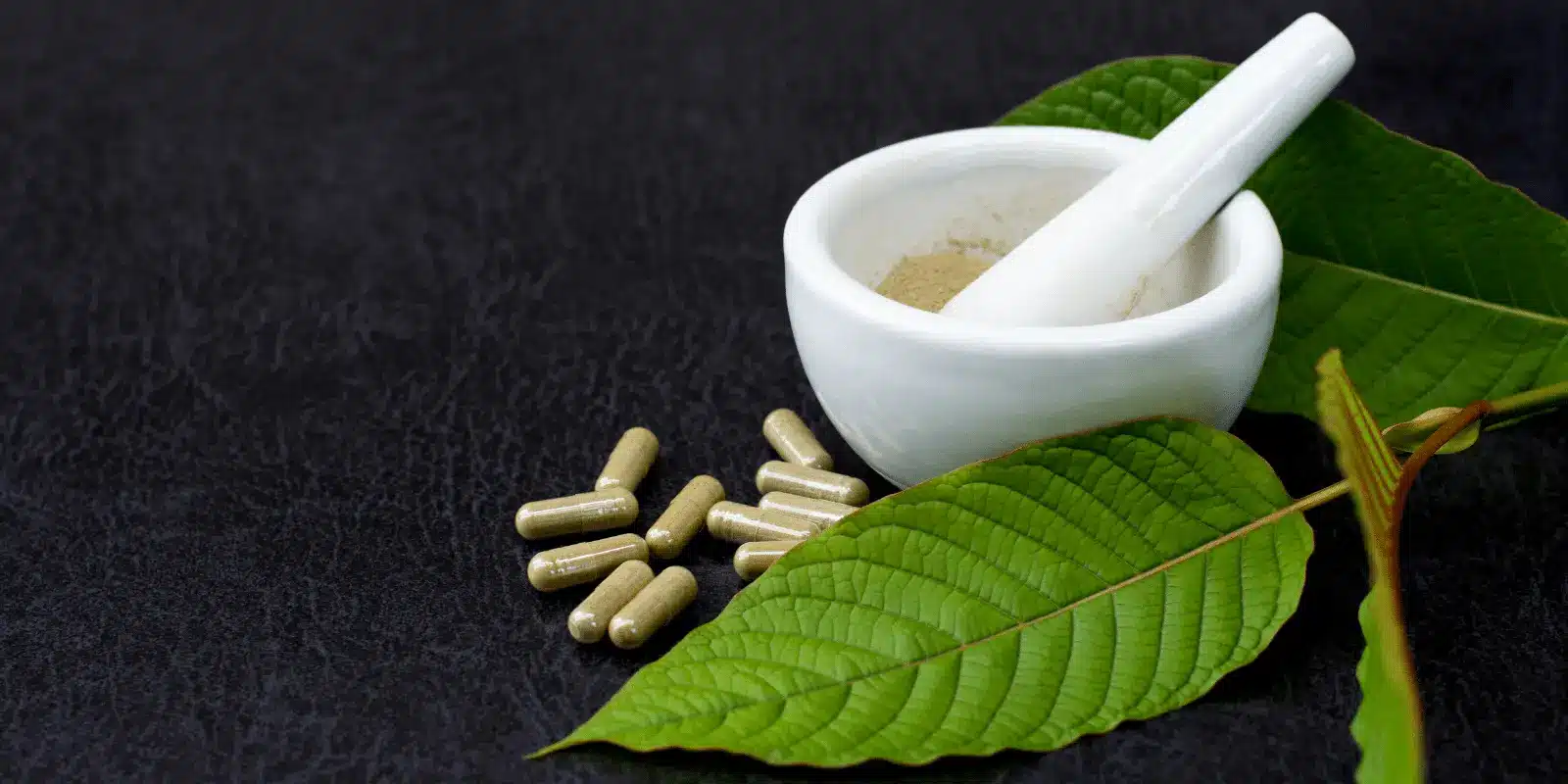
It is essential to choose the right Kratom brand to ensure puritys. However, the market has options that may not meet high-quality standards. With the increasing popularity of Kratom, some brands prioritize profit over quality, which can lead to potential risks such as contamination and misleading claims. This blog aims to help you navigate the landscape of Kratom products by highlighting vital red flags and offering practical tips for making informed purchasing decisions. By understanding what to avoid and which Kratom brands to stay away from, you can better protect yourself and ensure you get the quality you deserve.
Brands that don’t provide transparent information about their sourcing, manufacturing processes, and product testing should raise concerns. Transparency is crucial for verifying the quality of Kratom. If a brand is reluctant or fails to share details about where its Kratom is grown or how it’s processed, it may indicate potential issues with product integrity or ethical practices. Reliable brands should openly communicate their sourcing practices and provide thorough details on their production methods.
Be wary of brands that don’t test their products for purity or disclose their testing results. Reputable brands will offer third-party lab test results to confirm their products are free from contaminants like heavy metals or synthetic additives. If a brand does not offer such verification, avoiding its products is better.
Brands that make exaggerated or unsubstantiated claims about Kratom should be approached with caution. Misleading marketing can include promises of cures for severe conditions without scientific backing. Reliable Kratom brands will present clear, evidence-based information about their products and avoid making claims that sound too good to be true. Always look for brands that provide factual, well-supported details about their Kratom.
Consistently negative reviews about a brand’s Kratom products or customer service are significant red flags. Other buyers’ feedback can highlight product quality, effectiveness, or customer support issues. Pay attention to recurring complaints or patterns of dissatisfaction. A brand with a history of poor reviews may not meet quality standards and could be avoided.
Stay informed about any Kratom recalls, warning letters, product seizures, and lawsuits involving brands, as these issues can indicate severe problems with product quality. Recalls typically occur due to contamination, mislabeling, or other concerns, suggesting a lack of quality control.
Product seizures by authorities often stem from serious concerns such as contamination or illegal substances, reflecting significant problems within the brand. Misleading claims or regulatory violations can also reveal issues with the brand’s underlying practices. Brands with a history of these issues may pose higher risks to customers and should be approached cautiously or avoided altogether.
This will also help you get a better understanding of which Kratom brands to stay away from.
Ensure the Kratom brand provides third-party lab results. Independent lab testing is crucial because it confirms that the product is free from adulteration like heavy metals, pesticides, and microbes. It also ensures that the product is accurately labeled in terms of its potency. Brands that don’t offer lab results might hide product issues, so always look for proof of testing to guarantee quality.
Review other buyers’ feedback to gauge the product’s quality. Reviews on various platforms can offer insights into the consistency of the product and any recurring issues experienced by other customers. Genuine reviews can reveal potential problems, such as ineffective products or poor customer service, to help you make the right decision and avoid brands with a history of dissatisfaction.
Choose brands that disclose their sourcing and manufacturing processes. A transparent brand will inform where Kratom is grown, how it’s processed, and any steps taken to ensure quality. This openness helps you trust that the product is made from high-quality Kratom and follows good production practices. The lack of transparency can be a red flag indicating potential quality or ethical issues.
Opt for brands that have certifications like Good Manufacturing Practice (GMP). GMP certification is a quality assurance mark, indicating that the company follows strict manufacturing and quality control procedures. This includes maintaining cleanliness, ensuring accurate labeling, and adhering to quality standards. Certified brands are more likely to provide consistent and high-quality products, reducing the risk of contamination or misleading information.

Be cautious of brands offering Kratom at significantly lower prices than the market average. While everyone likes a good deal, too-low prices can indicate that the brand is cutting corners on quality or using substandard ingredients. Low prices might also suggest contamination, so investing in a reputable brand that prices its products reasonably and maintains high quality is better.
Contact the company with any questions about their products, such as sourcing, testing, or ingredient details. A reputable brand should be responsive and willing to provide detailed information. Good customer service reflects a company’s commitment to transparency and customer satisfaction. If a company is unresponsive or provides vague answers, it may indicate that it is not committed to quality or customer care.
Ensure the product packaging or website provides comprehensive information about the Kratom strain and any potential additives. Detailed labeling helps you understand what you’re purchasing and avoid products with unwanted ingredients or misleading claims. Precise and accurate product information is essential for making informed choices, ensuring you buy Kratom responsibly.
Choosing the right Kratom brand is crucial for ensuring effectiveness. You can protect yourself from potential risks by staying vigilant and recognizing red flags such as lack of transparency, misleading claims, and a history of recalls or legal issues. Prioritizing brands that offer third-party lab testing, detailed product information, and transparent practices will help you make informed decisions and find high-quality Kratom products. Remember, well-being is paramount, so don’t settle for less when it comes to choosing Kratom. Research thoroughly and select brands that demonstrate a commitment to quality. Additionally, you must also know about Kratom brands to stay away from.