
- Call: (725) 215-0109
- Email: support@organickratomusa.com
Rebranding launch sale: code FRESH20 for 20% off!
Free nationwide shipping over $79.00!
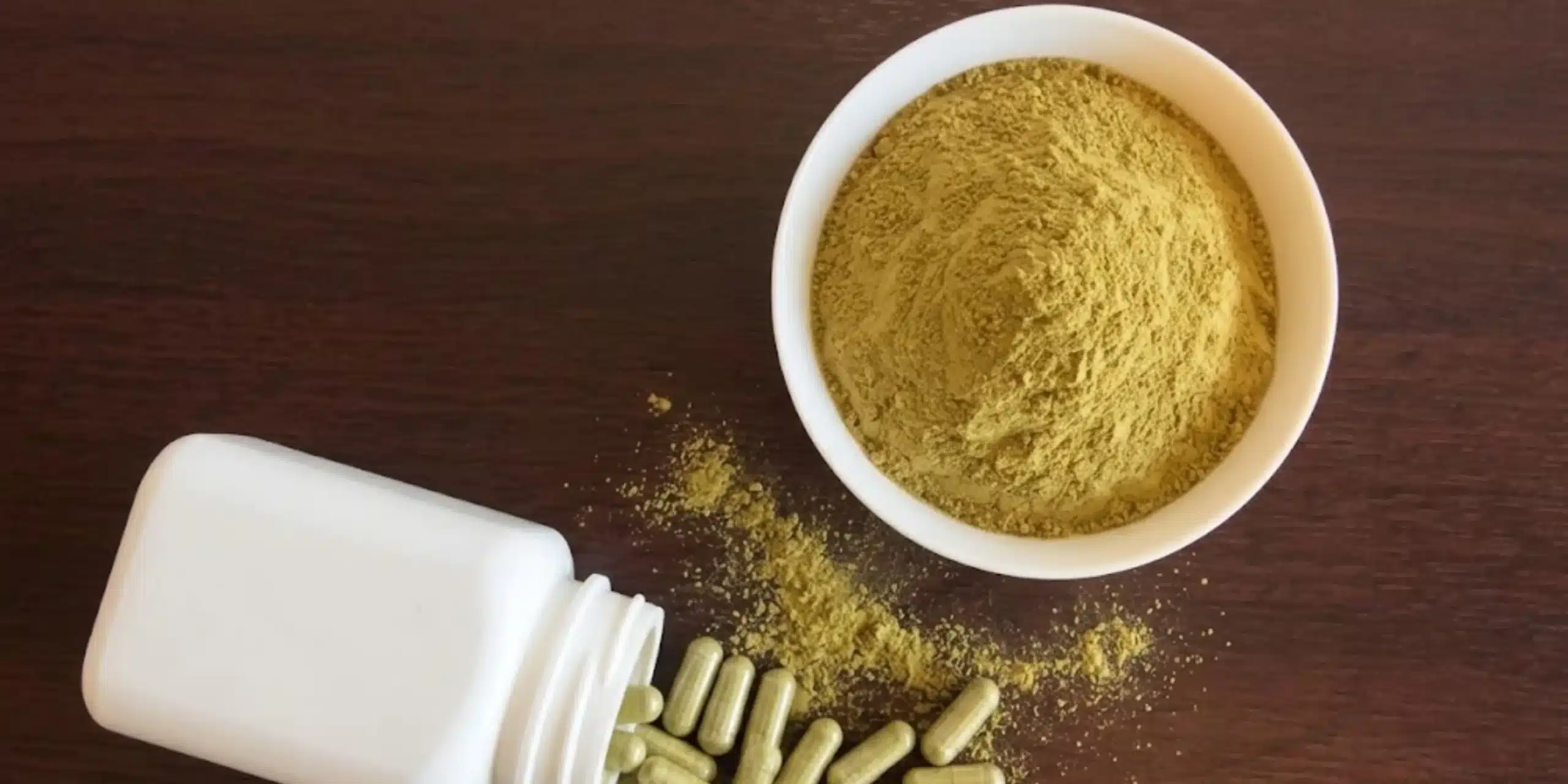
Vietnam Kratom is one of the more recognized regional names in today’s Kratom market. Originating from the tropical landscapes of Vietnam, this strain is commonly associated with rich growing conditions and carefully processed leaves.
As interest in regional Kratom varieties continues to grow, many buyers look for clearer information about how Vietnam Kratom is classified, processed, and compared with other well-known strains. Factors such as leaf selection, post-harvest handling, and product format can all influence how these products are categorized in the marketplace.
This guide covers the basics of Vietnam Kratom, including its background, common color varieties, available product formats, post-harvest processing methods, and important factors to check before buying online.
💡 What This Guide Covers?
|
Vietnam Kratom is a regional variety of the Mitragyna speciosa tree commonly associated with tropical growing areas near the Mekong region of Southeast Asia. In the modern Kratom market, it is usually grouped into color categories such as Red, Green, White, and Yellow based on leaf selection and post-harvest processing methods.
Today, Vietnam Kratom is commonly listed alongside other well-known regional varieties, such as Bali, Borneo, and Maeng Da, on online marketplaces and in specialty Kratom catalogs.
| 💡 Fun Fact: Despite the name, not every product sold as “Vietnam Kratom” is necessarily grown directly in Vietnam.In some cases, the name may refer to Vietnamese seed genetics, regional processing styles, or cultivation methods connected with nearby Southeast Asian growing regions. |
Several factors help Vietnam Kratom stand out among other regional Kratom varieties found in today’s marketplace.
Let’s look into the details:
Vietnam Kratom products are commonly categorized into different color types based on harvesting practices and post-harvest handling methods.
| Vietnam Kratom Variety | Harvesting Stage | Common Processing Method | Market Association |
| Green Vietnam Kratom | Mid-mature leaves | Controlled indoor or low-light drying | Commonly sold as a balanced regional variety |
| Red Vietnam Kratom | Mature leaves | Extended drying and oxidation | Frequently linked with longer curing methods |
| White Vietnam Kratom | Younger or early-selected leaves | Faster open-air drying | Often associated with lighter processing styles |
| Yellow Vietnam Kratom | Mixed or selected leaves | Specialized curing or fermentation-style handling | Widely recognized for unique drying techniques |
Vietnam Kratom is available in several product formats:
Here’s how Vietnam Kratom differs from the other popular regional Kratom strain varieties available in the market:
| Strain Variety | Geographic Origin | Soil & Growth Environment | Market Characteristics |
| Vietnam | Mekong River banks | Nutrient-dense, hyper-humid riverbed soil | Often recognized for the Yellow Vietnam varieties and specialized post-harvest processing |
| Maeng Da | Thailand / Engineered | Historically grafted for resilience in various soils | Recognized by its jagged leaf edges and high commercial availability across vendors. |
| Bali | Indonesia (Bali/Borneo) | Volcanic, highly fertile tropical soil | Large, wide leaves that grow rapidly; one of the most mass-produced strains globally. |
| Borneo | Borneo Island | Ancient, dense rainforest ecosystems | Sourced from old-growth trees in deep jungle climates with high canopy shade. |
| Malay | Malaysia | Mountainous, high-altitude terrain | Robust, thick-veined leaves that withstand variable weather conditions. |
| Thai | Thailand | Lowland, hot, and humid tropical plains | Characterized by narrow leaves grown in intense, direct year-round sunlight. |
⭐ Read more:
Choosing a Vietnam Kratom product requires evaluating the physical format, vendor standards, and third-party laboratory verification before purchase.
At OKUSA, we are dedicated to providing a premium, transparent, and seamless shopping experience. Here’s why we can be a great pick:
Yes. Vietnam Kratom and Maeng Da Kratom are marketed as different regional or commercial strain categories. Vietnam Kratom is commonly associated with Mekong-region classification and multiple processing styles, while Maeng Da is widely recognized as a premium-style commercial Kratom category.
Yes. Rainfall, humidity, temperature, and seasonal growing conditions can all influence harvesting schedules and post-harvest drying practices connected with Vietnam Kratom products.
Vietnam Kratom products are commonly available through online Kratom vendors and specialty botanical retailers. Online stores often make it easier to compare product formats, color categories, lab-testing details, sourcing information, packaging standards, and shipping policies before placing an order.
Kratom rules vary by state, city, and county. Some areas allow Kratom sales, while others have restrictions or bans. Therefore, it is important to check your local rules and regulations before placing an order.
⭐ Read More: Is Kratom Legal In My Area? (2026 Update)
Keep the powder in a sealed container or original resealable pouch, away from sunlight, heat, and moisture. A cool, dry cabinet works well for maintaining the product’s color, freshness, and consistency.
⭐ Learn More: How To Store Kratom Products Properly?
No. Yellow Vietnam Kratom is usually a post-harvest category, not a natural vein color at harvest. It is commonly linked with special drying or fermentation-style handling applied to selected leaves.
Vietnam Kratom capsules are commonly kept for about 1 to 2 years when stored properly. Shelf life can depend on packaging quality, storage conditions, and the date listed by the vendor or manufacturer.
⭐ Also Read: What Is The Shelf Life Of Kratom?
For more QnA, check out our FAQ page here.
Vietnam Kratom remains one of the more recognized regional strain categories in today’s marketplace. It is commonly available across multiple color classifications and product formats.
Before buying Vietnam Kratom online, it is important to review:
Disclaimer: This article is intended for informational and educational purposes only. It does not provide medical, legal, or professional advice regarding Kratom products. Kratom regulations may vary depending on your location, so always review your local laws before purchasing or possessing any Kratom-related product.