
- Call: (725) 215-0109
- Email: support@organickratomusa.com
Rebranding launch sale: code FRESH20 for 20% off!
Free nationwide shipping over $79.00!
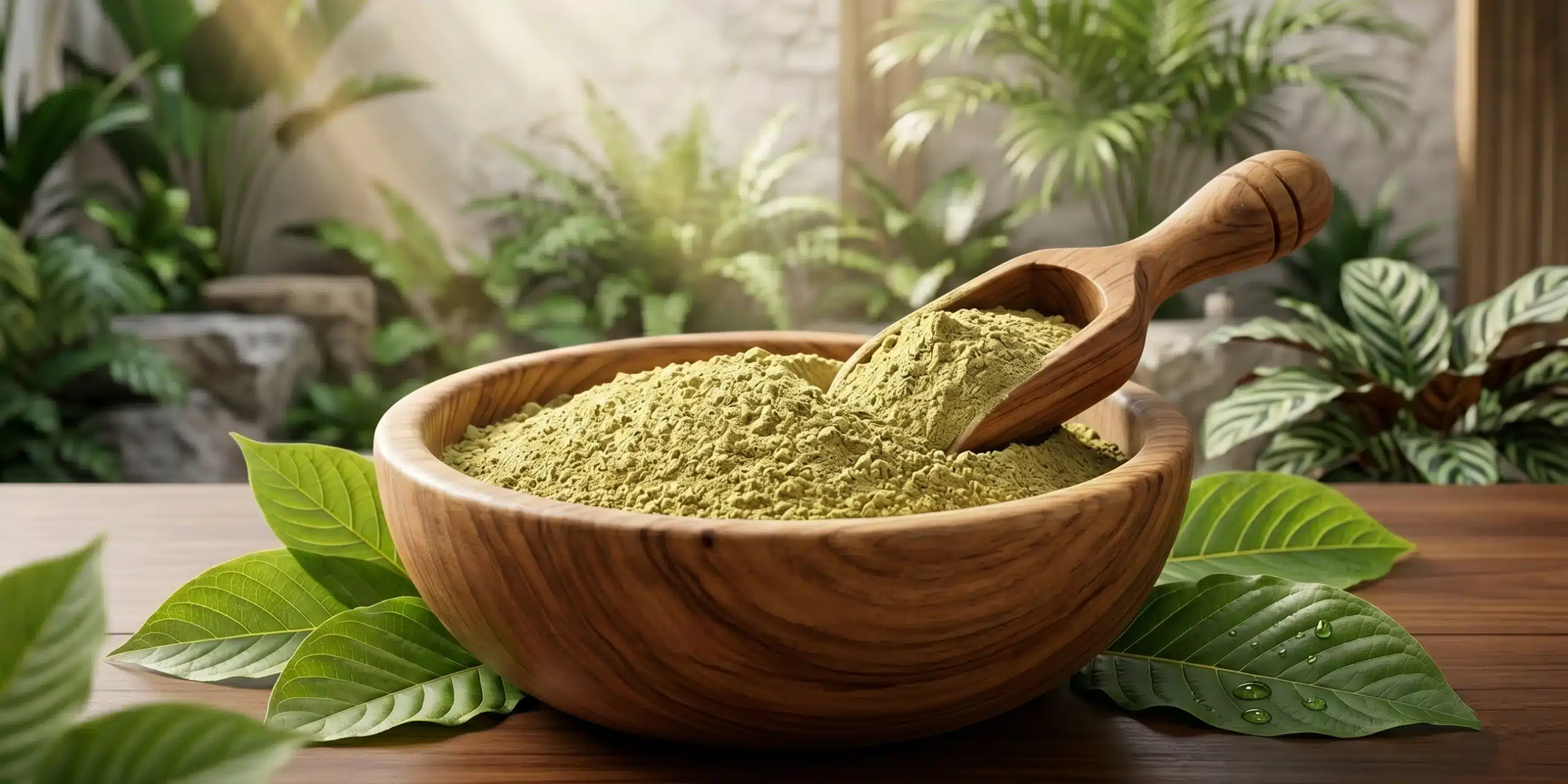
White Horn Kratom is one of those strain names that immediately sparks curiosity, especially for readers exploring the wider world of White Kratom varieties. Known for its distinctive naming and association with horn-shaped leaf edges, this strain is often discussed across vendor listings and online Kratom communities.
However, the details surrounding its origin, classification, and processing can sometimes feel unclear or inconsistent. This guide breaks down the key details of White Horn Kratom, including how it is categorized, what makes the “Horn” label unique, and how to compare available White Horn Kratom products more clearly.
White Horn Kratom is a White Kratom variety derived from the leaves of the Mitragyna speciosa plant and is commonly associated with Southeast Asian growing regions such as Borneo.
It belongs to the broader White Kratom category and is recognized for its distinctive strain naming and commercial classification. Rather than representing a separate species, White Horn Kratom is generally identified by specific leaf characteristics and processing practices used within the Kratom marketplace.
The term “Horn” comes from the pointed, horn-like tips that can appear on certain Kratom leaves as they develop. These unique leaf formations help distinguish Horn varieties from more commonly named Kratom strains and are one of the main reasons behind the strain’s unique identity.
White Horn Kratom passes through several careful steps before reaching Kratom stores, from cultivation and harvesting to sorting, drying, and final preparation.
White Horn Kratom contains naturally occurring alkaloids commonly found in Mitragyna speciosa plants. Alongside mitragynine and 7-hydroxymitragynine, White Horn Kratom may also contain alkaloids such as speciogynine and paynantheine.
Since alkaloid composition can be influenced by cultivation conditions, harvesting practices, and drying methods, the overall alkaloid profile of White Horn Kratom may differ between batches and vendors.
Here’s how White Horn compares with other Horn Kratom varieties available in the market:
| Features | White Horn Kratom | Green Horn Kratom | Red Horn Kratom |
| Color Classification | White category | Green category | Red category |
| Leaf Maturity | Commonly linked with earlier-developed leaf stages | Often associated with mid-mature leaves | Typically connected with more mature leaves |
| Harvesting Stage | Harvested after leaves reach developed growth | Collected during mature growth cycles | Usually gathered from fully mature leaves |
| Drying Methods | Rapidly dried in the air | Controlled drying methods with low to zero light | Sun-drying |
While all of these strains fall under the same White Kratom category, each one has distinct sourcing, harvesting, and processing characteristics that help differentiate it from the others.
| Basis | White Horn Kratom | White Elephant Kratom | White Indo Kratom | White Borneo Kratom |
| Origin | Commonly linked with Borneo and horn-shaped leaves | Associated with Southeast Asian sourcing | Linked with Indonesian Kratom sourcing | Commonly associated with the Borneo regions |
| Harvesting | Selected from horn-shaped mature leaves | Often identified by larger leaf size | Harvested from Indonesian White Kratom trees | Gathered from Borneo-grown White Kratom trees |
| Processing | Dried and milled into powder | Dried and ground using vendor methods | Dried, sorted, and milled into powder | Dried, sorted, and milled into powder |
⭐ Trying White Kratom strains for the first time? Read these before you make a choice:
Before choosing a White Horn Kratom product, reviewing a few important quality and sourcing details can help you shop better:
✔️ Lab Testing — Check whether the product includes updated third-party lab reports for alkaloid screening and quality verification.
✔️ AKA GMP Standards — Vendors that follow the AKA and GMP guidelines typically provide greater transparency into manufacturing and quality control.
✔️ Source Transparency — Look for vendors like OKUSA that share sourcing details, processing information, and clear product documentation that supports a more informed White Horn Kratom review.
✔️ Product Form Information — Verify whether the product is sold as powder, capsules, or other commercially available formats.
✔️ Customer Support & Policies — A reliable vendor should offer responsive customer service along with clear refund and return policies, which help ensure a more transparent and user-focused buying experience.
White Horn Kratom is not as widely available as many common White Kratom strains because Horn Kratom is linked with a specific leaf formation. Since not every Kratom tree produces leaves with pointed, horn-like edges, vendors may have limited batches.
White Horn Kratom is most commonly available in powder and capsule forms. Kratom powder is usually sold in resealable packs, while Kratom capsules offer a pre-filled format for buyers who prefer a simpler product option.
White Horn Kratom is mainly identified by its horn-like leaf edges, while White Borneo is identified by its Borneo origin. Both may belong to the White Kratom category, but White Horn is more connected to leaf shape, whereas White Borneo is more connected to regional sourcing.
White Horn Kratom powder is mainly available through online Kratom vendors like OKUSA and through specialty Kratom stores and smoke shops.
White Horn Kratom powder should be kept in a tightly sealed container and placed in a cool, dry spot away from direct sunlight, moisture, and heat. By following these best practices for storing and preserving Kratom, you can maintain its freshness for a longer period of time.
⭐ Read more: The Best Way To Store Kratom
White Horn Kratom stands out because of its horn-shaped leaf identity, White Kratom classification, and limited market availability. From its Southeast Asian growing background to its harvesting, drying, and powder preparation, each detail adds context to how this strain is recognized.
The comparisons with other Horn and White Kratom strains also make its identity easier to understand. Before buying, checking lab reports, sourcing details, product form, and vendor policies can help you make a clearer, more informed decision.
Disclaimer: This blog is for informational purposes only and is not intended to provide medical, legal, or professional advice. Kratom laws and product standards may vary by location, so readers should review current local regulations before purchasing White Horn Kratom. Product details such as origin, processing methods, and alkaloid profiles may also vary by vendor, batch, and documentation provided.