
- Call: (725) 215-0109
- Email: support@organickratomusa.com
Rebranding launch sale: code FRESH20 for 20% off!
Free nationwide shipping over $79.00!
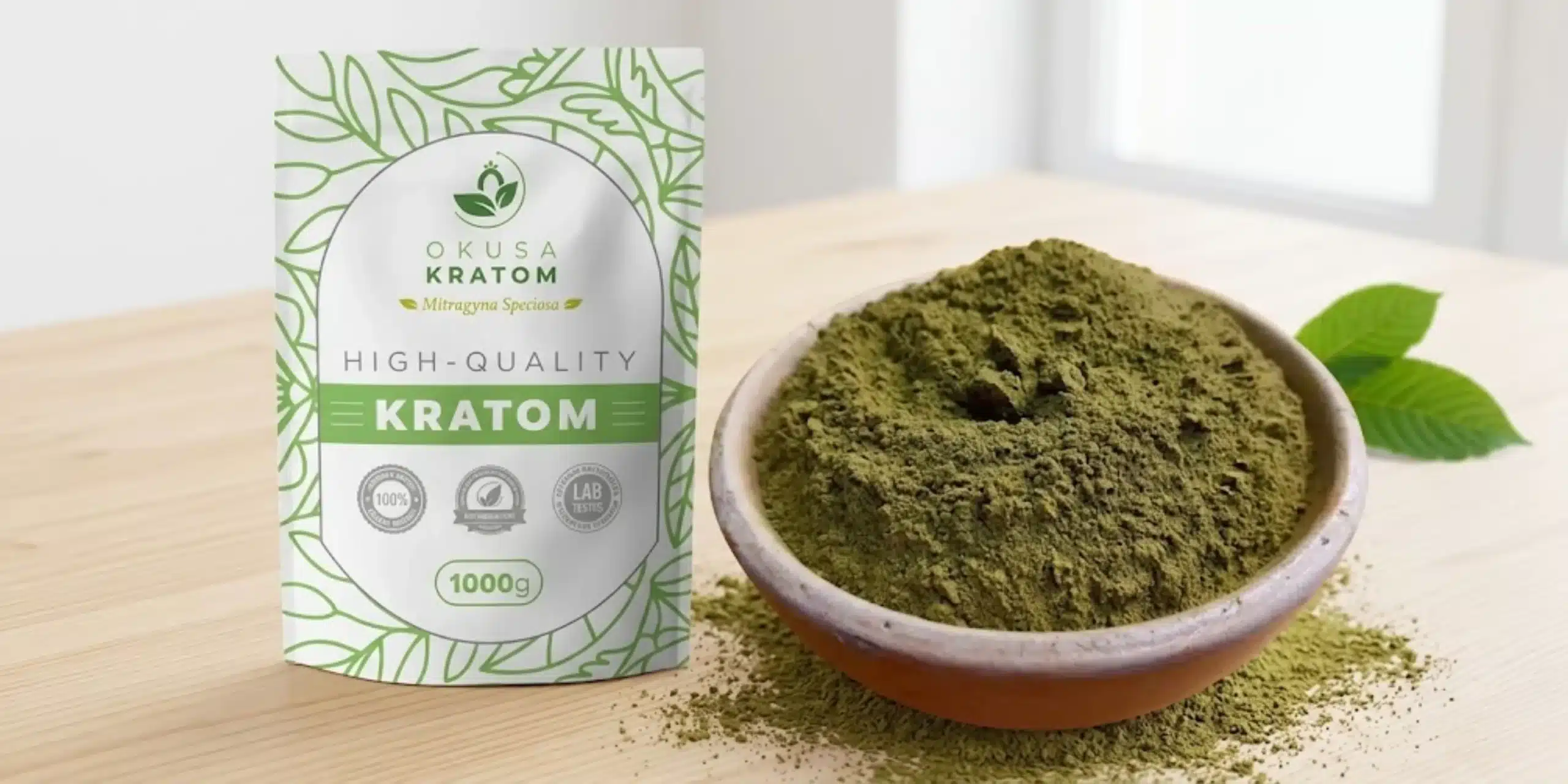
JongKong Kratom is a regional name associated with West Kalimantan, Indonesia. It is commonly grouped under Borneo Kratom due to its geographic origin and is primarily used as a market-based classification rather than a distinct strain type.
This guide outlines its origin, classification, and key characteristics to help explain how JongKong Kratom is positioned compared to other regional Kratom varieties.
JongKong Kratom is a regional classification of Mitragyna speciosa associated with the JongKong area in the Kapuas Hulu region of West Kalimantan, Indonesia. In the Kratom market, “JongKong” is used as a geographic label to indicate sourcing origin rather than a distinct botanical strain.
This name is commonly used in product labeling to indicate regional sourcing and general processing variations associated with that area.
While “JongKong” refers to the location, it is further divided by the secondary processing and drying methods into three primary types:
| Basis | Green JongKong Kratom | Red JongKong Kratom | White JongKong Kratom |
| Harvest time | Often linked with mid-mature leaves | Often linked with peak mature leaves | Often linked with earlier-stage leaves |
| Drying process | Often indoor-dried and then exposed to the sun | Often associated with longer drying or exposure to sunlight | Often dried in the air rapidly |
| Alkaloid profile | Balanced alkaloid composition | High 7-OH | High Mitragynine concentration |
Green JongKong Kratom is generally viewed as the most “neutral” reference point within the JongKong classification system. It is commonly chosen by buyers who prefer a middle-ground option when comparing different JongKong types.
Red JongKong Kratom is usually selected by buyers looking for a richer alkaloid profile compared to the Green and White categories. It is often positioned as the most established or “classic” choice within JongKong labeling, making it one of the more commonly recognized variants in this group.
White JongKong Kratom is a less commonly available category within the JongKong classification. It is usually chosen by those who want a smooth, uniform profile.
JongKong Kratom is commonly sourced from the Kapuas Hulu region of West Kalimantan, an area known for its humid climate, fertile soil, and dense rainforest environment. These natural conditions support the growth of mature Kratom trees throughout the region.
Farmers typically harvest leaves at different maturity stages depending on the intended color classification. The harvesting process usually involves hand-picking leaves and sorting them based on size and vein color.
After harvesting, the leaves are cleaned and dried using indoor, outdoor, or mixed drying techniques. Variations in drying duration, light exposure, and oxidation methods help determine whether the final product is categorized as Green, Red, or White JongKong Kratom.
JongKong Kratom is most often listed in a few familiar product forms, and each format is usually presented differently across vendor pages.
JongKong Kratom is one of several regional Kratom names in the industry.
Here’s how it compares with Bali, Borneo, and Sumatra Kratom:
| Kratom Variety | Harvesting & Cultivation Region | Soil & Growing Environment | Leaf Maturity & Visual Traits | Market Availability & Rarity |
| JongKong | Cultivated exclusively along the remote Kapuas River basin in JongKong, Indonesia. | Nutrient-dense, frequently flooded riverbank soils. | Darker vein pigmentations, harvested from specific mature old-growth river trees. | Scarce / Niche; sold primarily by specialty botanical vendors. |
| Bali | Originally tied to Bali, but primarily grown and harvested in standard Indonesian regions. | Volcanic, highly fertile soil conditions. | Broad, large leaf shape with highly prominent vein networks. | Abundant; the most widely available baseline strain in the industry. |
| Borneo | Harvested directly from old-growth and plantation trees across the expansive island of Borneo. | High-humidity, dense old-growth rainforest terrain. | Thick, physically resilient cell walls requiring fine-milling. | Mass-Produced; highly accessible across all mainstream vendors. |
| Sumatra | Cultivated within the dense, tropical rainforest environments of Sumatra Island, Indonesia. | Acidic, wild rainforest soils with heavy annual rainfall. | Distinctly elongated leaf structure with flexible stem fibers. | Moderate; standard offering across mid-tier and premium catalogs. |
⭐ Read these related blogs to compare JongKong Kratom with other strains:
Before buying JongKong Kratom online, it is important to review a few key details that can help you make a better choice:
✔️ Check the product label carefully: Review whether the listing clearly mentions the JongKong classification, color category, product format, and regional sourcing details.
✔️ Check for GMP and AKA: Vendors compliant with American Kratom Association and GMP policies may provide more organized quality-control practices and clearer product documentation.
✔️ Look for third-party lab testing: Reliable vendors often provide access to recent lab testing information to verify product identification and batch transparency.
✔️ Review the refund and return policy: A clearly written return policy can help you understand the vendor’s process for damaged, incorrect, or unopened products.
✔️ Evaluate customer service availability: Responsive customer service can make it easier to ask questions about product listings, shipping details, or batch-related information.
JongKong Kratom products are commonly stored in sealed containers away from direct sunlight, heat, and moisture. Proper storage conditions can help maintain product quality and consistency over time.
⭐ Read more: The Best Way To Store Kratom
JongKong Kratom differs because of its strict regional identity. Unlike standard strain names that use broad trade classifications, JongKong is tied to a specific, remote river basin in West Kalimantan, Indonesia, yielding a distinct botanical profile.
The legal status of JongKong Kratom depends on your local laws and regional regulations. Before purchasing online, it is important to check the current Kratom rules applicable in your country, state, or city.
⭐ Read more: Is Kratom Legal?
JongKong Kratom is often less commonly available because it is tied to a specific and limited sourcing region in West Kalimantan. It is not produced on the same large commercial scale as more widely distributed regional names.
JongKong Kratom can be found through online Kratom vendors like OKUSA that carry regional strains.
Authenticity is usually assessed through clear regional labeling, consistent product documentation, and access to third-party lab reports. Transparent sourcing details and batch verification are also commonly used indicators.
JongKong Kratom is primarily defined by its regional origin in West Kalimantan and how it is categorized within the broader Kratom market. Its Green, Red, and White labels are used as practical ways to organize different batch types under the JongKong name.
Understanding its background, general processing approach, and how it is grouped alongside other regional varieties makes it easier to compare JongKong Kratom with alternatives like Bali, Borneo, and Sumatra.
Disclaimer: This content is for educational purposes only and should not be treated as medical advice. Kratom laws vary by location, so readers should review current local regulations before purchasing. Product details, labels, and batch information may differ by vendor, so always refer to the seller’s latest product information and lab report when available.