
- Call: (725) 215-0109
- Email: support@organickratomusa.com
Rebranding launch sale: code FRESH20 for 20% off!
Free nationwide shipping over $79.00!
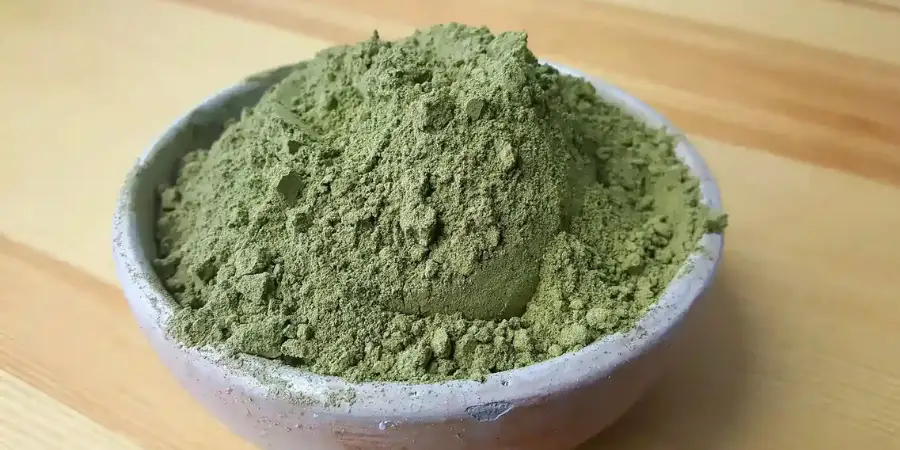
Green Riau Kratom is a green strain linked with the Riau province of Sumatra, Indonesia. Green Kratom is already a familiar name, and strains like Bali, Borneo, and Malay usually get most of the attention. But now and then, a name comes along that makes people pause and look a little closer. Green Riau Kratom is one of those names.
For anyone curious about where it fits, this guide breaks it all down in a simple, approachable way. We’ll look at its origin, where it stands among other green varieties, the formats it’s available in, and why OKUSA is proud to have it in its collection.
The name is quite direct. ‘Green’ refers to its vein color, while ‘Riau’ points to the Indonesian region associated with the strain. The name itself conveys both its classification and its regional identity.
Green Riau Kratom originates from the Riau province on the island of Sumatra, Indonesia. That is the main geographic connection behind the strain. The region is known for lowland areas where Mitragyna speciosa trees grow in warm, humid conditions. These trees are commonly found in secondary forests and in areas near rivers or swamps that see seasonal flooding.
Green Riau Kratom is harvested by hand, then dried in stages before being milled into powder. The process is simple, but each step plays a clear role in preparing the final material.
Selective leaf picking: Farmers usually collect mid-mature leaves for this Kratom variety.
Drying process: The selected leaves are dried indoors with little to no light.
Fine milling: Once fully dried, the leaves are ground into powder and sifted to ensure uniformity.
Before milling, this Riau variety is identified by its clear green veins, which place it within the broader green Kratom category. That visual marker indicates the stage at which the leaves are selected and helps distinguish them from red and white-variety leaves.
From a composition standpoint, this Sumatra-linked strain is generally described as balanced. It also contains naturally occurring alkaloids such as Mitragynine, Speciogynine, and Paynantheine. Together, these compounds form the alkaloid profile commonly associated with this regional variety and provide a clearer picture of how it is understood within the broader green category.
Green Riau sits at the midpoint of the Riau range, while Red Riau and White Riau reflect the later and earlier stages of the harvest cycle. The table below gives a clearer side-by-side view of how they differ.
| Factor | Green Riau | Red Riau | White Riau |
|---|---|---|---|
| Harvesting Stage | Mid-stage leaves | Later-stage, fully matured leaves | Earlier-stage leaves |
| Alkaloid Profile | Sits between white and red strains | More robust profile | A mellow profile |
| Post-Harvest Processing | Indoor drying followed by milling and sifting | The leaves are dried in sunlight or UV rays before grinding | Careful drying in open air with controlled conditions. |
| Vein Color at Harvest | Green | Red | White |
| Availability | Available as Green Riau Kratom Powder | Available as Red Riau Kratom Powder | Not currently listed on OKUSA |
Note: Red vs Green vs White Kratom can seem confusing at first. This comparison guide lays out the differences in a simple way, making the categories easier to tell apart.
Comparing Green Riau with other established green strains helps place it within the wider category. The table below outlines each variety by origin, alkaloid profile, availability, and the key trait it is generally associated with.
| Strain | Leaf Origin | Availability | Known For |
|---|---|---|---|
| Green Riau Kratom | Riau region, Sumatra, Indonesia | More selectively available | A region-specific green strain with a less common market presence |
| Green Bali Kratom | Comes from Indonesia | Widely available | A familiar and widely recognized green strain |
| Green Borneo Kratom | Originates from the island of Borneo | Widely available | Strong market presence among green varieties |
| Green Malay Kratom | Comes from Malaysia | Widely available | A long-established name in the green category |
| Green Maeng Da Kratom | Originally tied to Thailand, now widely associated with Indonesia | Available everywhere | One of the most recognized blends among green strain names |
Compared with Bali, Borneo, Malay, and Maeng Da, Green Riau holds a more region-specific place within the green category.
Also read: Green Malay Kratom vs Maeng Da.
Checking the quality of this Riau variety comes down to clear, verifiable details:
When evaluating the quality of Green Riau Kratom, the Certificate of Analysis should be among the first items to review. It should be recent, batch-specific, and easy to access. For a strain like this, a COA helps confirm alkaloid breakdown and verify whether the batch matches the details on the product page.
For a regional strain such as this one, AKA GMP compliance adds useful credibility. It shows that the vendor adheres to recognized manufacturing and handling standards rather than relying solely on strain naming.
This point is especially important for Green Riau Kratom because its identity is closely tied to a regional label. A reliable vendor should clearly explain sourcing details and how it is classified, making it easier to trust.
Good packaging helps support the overall presentation of Green Riau Kratom. The label should be sealed properly and include clear details such as the strain name, batch information, and other relevant product data. When those details are easy to read and well organized, the product feels more consistent.
Green Riau Kratom stands apart as a region-specific green strain native to Riau province in Sumatra. While it may not appear as often as more widely distributed green varieties, its distinct regional identity gives it a clear place within the category. At OKUSA, it sits alongside established names, offering a broader selection for buyers who look beyond the usual options.
With verified sourcing, proper testing, and transparent product details, it becomes easier to evaluate where this strain fits within your overall comparison.
No. It comes from the same plant species as other green strains. The difference is in the regional name.
It is a rarer, more specialized strain because it is region-specific and can be harder for suppliers to source consistently. Therefore, it shows up less often than more widely carried green varieties.
No. Its availability can vary depending on stock and current catalog availability at OKUSA.
Because it is a less familiar strain name, many buyers want more clarity before comparing it with other green varieties.
Disclaimer: This guide is for informational purposes only. Strain names, regional labels, product details, and availability may vary by batch and vendor. Readers should review the latest product-specific information before making any purchase decision.
Related Blogs:
White vs Green Kratom: Differences, Profile & Comparison
Sumatra Kratom: Everything You Need To Know About This Strain