
- Call: (725) 215-0109
- Email: support@organickratomusa.com
Rebranding launch sale: code FRESH20 for 20% off!
Free nationwide shipping over $79.00!
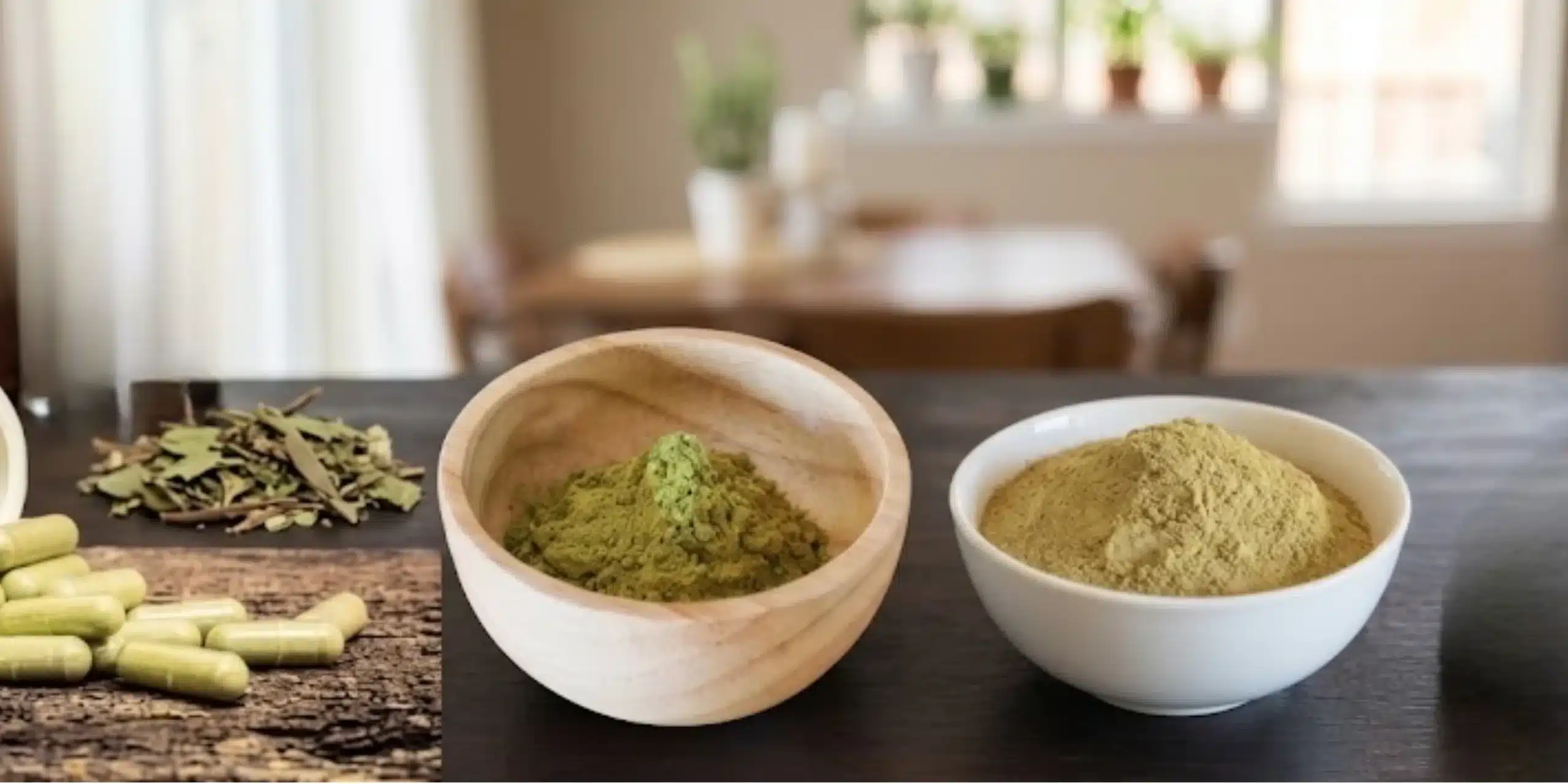
Yellow Kratom is one of the more distinct categories in today’s Kratom market because it is primarily associated with post-harvest processing methods rather than a naturally occurring vein color. Unlike traditional Red, Green, or White classifications, Yellow Kratom is commonly linked with extended drying, curing, fermentation-style handling, or blending techniques that influence the final product category.
This guide explains what Yellow Kratom is, how it is commonly processed, its alkaloid profile, the most widely available strains, and how it compares with other Kratom color categories.
Yellow Kratom refers to Kratom products that undergo additional post-harvest processing methods after the leaves are collected. These methods may include extended drying, curing, or blending techniques that contribute to the product’s distinct yellow or golden appearance.
Why Is It Called Yellow Kratom?⭐ The yellow or golden color develops during post-harvest drying and curing stages. ⭐ Some producers use longer sunlight exposure or controlled indoor drying to alter the final leaf color. ⭐ Certain Yellow Kratom products are made by blending Red, Green, or White Kratom materials before grinding. |
Unlike traditional Kratom categories, which are commonly linked with vein color at harvest, Yellow Kratom is primarily associated with additional post-harvest processing methods.
Yellow Kratom stands out in the industry because it is a “specialty” category that doesn’t follow the standard cultivation and drying process.
Yellow Kratom is considered unique because its identity is mainly connected to post-harvest handling methods instead of a naturally occurring leaf category.
The extended drying process changes the chemical makeup of the leaf. This shifts the ratio of active compounds, resulting in a smoother experience.
It lacks industry standardization. Because each vendor uses its own proprietary blending and curing recipes, a “Yellow” strain from one brand will feel completely different from that of another.
Yellow Kratom is available in several regional and processed variations. Below is a list of the five most common available varieties of Yellow Kratom:
Yellow Borneo Kratom is commonly associated with Indonesian Kratom sourcing and extended drying or curing techniques. It remains one of the more widely available Yellow Kratom categories online.
Yellow Maeng Da Kratom combines the commercial Maeng Da classification with specialized Yellow Kratom processing methods. It is commonly sold in powder and capsule formats.
Yellow Thai Kratom is connected with Thai-style strain labeling and is generally associated with additional curing or drying stages that influence the final product classification.
Yellow Sumatra Kratom is associated with Sumatra-region sourcing and is commonly prepared using extended drying or fermentation-style processing methods.
Yellow Vietnam Kratom is commonly recognized for its association with Yellow Kratom processing styles that emphasize extended curing and specialized post-harvest handling methods.
Yellow Kratom is often compared with other available Kratom color categories. Here’s a quick comparison of how these varieties are commonly distinguished in the marketplace:
| Kratom Category | Main Classification Basis | Common Leaf Stage | Drying & Preparation Style | Processing Complexity |
| Yellow Kratom | Curing, blending, or specialized preparation methods | Mixed or selected leaves | Extended drying, curing, fermentation-style handling, or blending | Higher |
| Red Kratom | Fermentation-focused | Mature leaves | Longer drying and oxidation | Moderate |
| Green Kratom | Chlorophyll retention | Mid-mature leaves | Balanced indoor or outdoor drying | Standard |
| White Kratom | Maximized Mitragynine retention | Younger or early-selected leaves | Faster drying methods | Lower |
Neither color occurs naturally. Both are specialty products created through post-harvest processing methods that alter the leaf’s alkaloid profile.
Yellow Kratom does not require unique storage, but it must be kept fresh. Store it in an airtight container in a cool, dark, and dry place—such as a pantry or cupboard. Shielding it from light, heat, moisture, and air prevents the delicate alkaloids from degrading, ensuring the product retains its original potency and stays free from mold.
| ⭐ Read more: The Best Way To Store Kratom |
Yellow Kratom is available through specialty online botanical vendors. Ensure to only buy from retailers certified by the American Kratom Association (AKA) who provide third-party lab test reports (CoAs) to verify product purity and potency.
Yellow Kratom can be either blended or fermented, depending entirely on the vendor’s specific production method. Because there is no standard botanical process, some producers create it by fermenting the leaves during an extended drying stage, while others simply blend existing white, green, or red strains together.
Kratom’s legality depends entirely on your local state, county, and city laws. While legal federally in the U.S., it is banned statewide in Alabama, Arkansas, Indiana, Louisiana, Vermont, and Wisconsin, as well as in specific counties and cities within legal states.
Before purchasing Kratom products, it is important to review the Kratom summary of state laws and your local rules and regulations.
| ⭐ Read more: Is Kratom Legal? |
Disclaimer: This blog is for informational and educational purposes only. It is not intended to provide medical, legal, or professional advice. Kratom laws vary by country, state, and local region, so readers should review their local regulations before purchasing or possessing any Kratom product.
Product details, processing methods, and classifications may differ by vendor, and the information shared here should not be treated as a substitute for guidance from qualified professionals.