
- Call: (725) 215-0109
- Email: support@organickratomusa.com
Rebranding launch sale: code FRESH20 for 20% off!
Free nationwide shipping over $79.00!
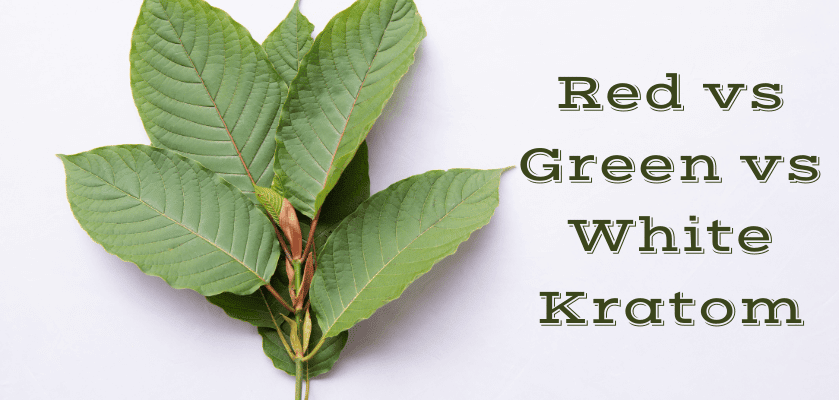
Red vs. Green vs. White Kratom is one of the most commonly searched comparisons when learning about the differences between kratom vein colors. Kratom is available in several vein colors, and each color represents a different stage of leaf maturity and post-harvest processing. If you’ve ever compared red vs green vs white Kratom, you’ve probably noticed that the discussion often circles back to how these colors develop and what sets them apart. This guide breaks down the distinctions in a clear and structured way so you can understand how each color category is defined.

When comparing red vs green vs white Kratom, the color differences come from leaf maturity and post-harvest processing. While kratom comes from the same plant species—Mitragyna speciosa—the final color classification depends on a few core factors
Color changes also occur during:
These natural variations shape the difference in Kratom colors found across vendors and regions.
| Feature | White Kratom | Green Kratom | Red Kratom |
| Leaf Maturity | Young leaves | Mid-mature | Fully mature |
| Typical Appearance | Pale, bright vein | Mid-green vein | Darker, deep red vein |
| Processing Style | Shorter drying times | Balanced drying method | Often includes extended drying or fermentation |
| General Positioning | Entry-stage leaf | Middle-range leaf | Mature leaf with deeper color |
| Common Strain Examples | White Maeng Da, White Borneo | Green Maeng Da, Green Indo | Red Bali, Red Maeng Da |
If you’re searching for red vs green vs white Kratom, the comparison table below highlights the key differences at a glance.
Understanding the differences between red, green, and white kratom can be easier when viewed side by side in a detailed kratom strains chart.
White vein leaves are harvested earlier in the maturity cycle and tend to carry a paler vein pattern. They are typically dried indoors or in low-light environments, which helps preserve their lighter appearance. When comparing categories such as green vs white Kratom, white varieties represent the starting point in the color progression.
White vein Kratom sits at the beginning of the maturity spectrum. Its lighter color and earlier harvest stage distinguish it from mid- and fully mature leaves, giving it a clear position in color-based discussions.
Read More: White Vein Kratom for Beginners: A Detailed Product Guide
Green vein leaves sit at the midpoint of Kratom maturation. The leaf has had time to develop density and deeper pigmentation compared to white varieties. Drying often involves a balance of indoor and outdoor exposure, depending on the region and processing traditions. When evaluating red Kratom vs green or green vs white Kratom, green strains often serve as the reference point between the two.
Green Kratom occupies the center of the color spectrum. It bridges the gap between lighter white varieties and deeper red varieties, making it a core category in many comparative guides.
Red vein Kratom comes from fully mature leaves that have undergone extended drying or specialized fermentation. This method deepens the vein color and produces the distinctive dark red appearance associated with this category. It often completes the comparison set in red vs white Kratom or red Kratom vs green evaluations.
Red vein Kratom represents the final stage of leaf maturity, placing it at the deeper end of the Kratom color range. Its appearance and processing style distinguish it clearly from lighter vein types.
Color shifts naturally as Kratom leaves mature:
Drying method plays a major role:
Each color has its own long-standing place in Southeast Asian regions, influencing how different categories entered the modern market.
These distinctions form the foundation of how buyers compare Kratom white vs green vs red categories today. For those who prefer mixing different vein types, you can even Create Your Own Kratom Blend using multiple strains.
Read More: Top 6 White Vein Strains For White Kratom Lovers
Read More: 7 Premium Red Kratom Strains For Red Kratom Lovers
Choosing a Kratom vein color usually comes down to:
There’s no universal “best” option.
Understanding red vs green vs white Kratom begins with recognizing how leaf maturity, vein pigmentation, and processing influence each category. Whether comparing red vs white Kratom, green vs white Kratom, or exploring the full spectrum of all three colors, each type has its own identity shaped by nature and tradition. This breakdown offers a clear starting point for anyone researching Kratom’s distinct vein categories.
The difference comes from leaf maturity and the drying methods during processing.
“Stronger” varies by strain, region, and processing method; color alone doesn’t determine strength.
White comes from younger leaves, while red is harvested at full maturity and often undergoes longer drying or fermentation.
Alkaloid levels naturally shift as leaves grow, but final composition also depends on drying, curing, and regional factors.
Some buyers stick to one color, while others explore multiple types to understand their differences.
Some vendors offer blends, but not all do. Availability depends on the supplier.