
- Call: (725) 215-0109
- Email: support@organickratomusa.com
Rebranding launch sale: code FRESH20 for 20% off!
Free nationwide shipping over $79.00!
| 🎯Quick answer Red Elephant Kratom is a recognized variety of Mitragyna speciosa, known for its exceptionally large leaves, which inspired its “Elephant” name, and the controlled drying methods commonly associated with its production. |
Among the many red Kratom varieties available today, Red Elephant Kratom stands out because of its distinctive leaf size and the cultivation practices associated with it. Rather than referring to a different species, the name highlights a naturally occurring characteristic found in select Kratom trees.
If you’ve come across this strain while comparing red options and wondered what actually makes it different, this Red Elephant Kratom guide breaks down its origin, production, and how it is different from Red strains and other Elephant varieties.
Red Elephant Kratom is a red Kratom variety of Mitragyna speciosa recognized for its oversized, rounded leaves that resemble elephant ears. The “red” refers to the vein color at full maturity, while “elephant” points directly to the leaf’s unusual size.
⭐Is the Red Elephant Kratom rare?Yes, it is relatively rare because it depends entirely on a low-yield harvest of specific oversized leaves from mature, deep-jungle trees rather than mass-produced plantations. |
Red Elephant Kratom is primarily sourced from tropical regions of Indonesia, where Mitragyna speciosa plant has been cultivated for generations.
Areas of Kalimantan and parts of Borneo are among the regions most commonly linked with Elephant varieties because their warm climate and dense rainforest conditions support the growth of large, mature Kratom trees.
🌿 These regions typically share several environmental characteristics:
After its leaves reach maturity, Red Elephant Kratom undergoes a series of post-harvest steps that contribute to its final form. While production methods can vary between cultivators, the overall process follows a similar sequence.
Here’s a simple comparison of the two most common Red Elephant Kratom product formats:
| Basis | 🌿 Powder | 💊 Capsules |
| Format | Fine, ground Mitragyna speciosa leaf material. | Pre-measured Red Elephant Kratom powder enclosed in gelatin or plant-based capsules. |
| Product Presentation | Loose powder that can be stored directly in its original packaging. | Individual capsules packaged in bottles or containers. |
| Packaging | Commonly available in pouches, jars, or bulk bags. | Typically available in bottles containing a set number of capsules. |
| Handling | Requires measuring before preparation | Comes in a pre-filled format with no measuring required |
Beyond its large leaves, several botanical and compositional traits contribute to how Red Elephant Kratom is identified and categorized amongst other Kratom strains.
Here’s how Red Elephant compares against three other well-known Red strains:
| Basis | Red Elephant | Red Bentuangie | Red Maeng Da | Red Hulu |
| Geographic Origin | Indonesia (Sumatra, Kalimantan) | Sumatra, Indonesia | Thailand and Indonesia (hybrid cultivation) | Kalimantan, along the Hulu Kapuas river region |
| Leaf Morphology | Large, broad, rounded leaves | Standard leaf size, darker tone from fermentation | Narrower, more jagged leaf structure | Medium-sized leaves, less pronounced shape traits |
| Tree Maturity & Canopy Location | Fully mature trees, wider canopy spacing | Mature leaves, extended fermentation post-harvest | Grafted hybrid trees, cultivated for consistency | Mature trees grown along riverbank terrain |
| Market Availability | Niche, less mainstream than classic reds | Moderately available | One of the most widely available red strains | Moderately available, more region-specific |
👉 Know more on how these Red strains differ from Red Elephant Kratom:
While all Elephant varieties originate from the same species, several characteristics distinguish them from one another. Let’s see how each strain really differs:
| 💡 Buying Elephant Kratom for the first time? Read our guides on this specialty strains: |
Here’s what you should check when choosing a Red Elephant Kratom product.
Look for the following when comparing products:
✔️ Third-party laboratory testing to verify alkaloid composition and screen for common contaminants.
✔️ Sourcing transparency, including information about the product’s origin and processing.
✔️ Consistent product quality, supported by clear labeling and batch identification where available.
A reputable supplier should also provide:
⭐ Responsive customer service to address product and order-related questions.
⭐ Reliable shipping with clear order tracking and delivery updates.
⭐ Transparent product information, including detailed descriptions and readily available laboratory reports.
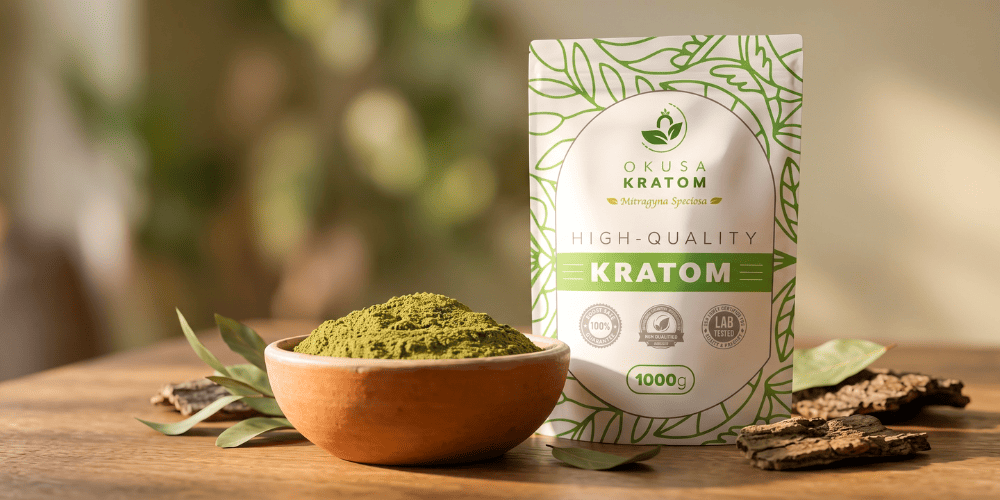
| 👉 For those shopping for Red Elephant Kratom, OKUSA offers this strain in powder format, making it easy to explore this distinctive Elephant variety. |
💡 Learn more about Red Kratom strains. Read our detailed guides:
It’s named for its unusually large, broad leaves that resemble the shape of an elephant’s ear — not for any connection to the animal itself.
No, it is the exact same Mitragyna speciosa species as any other strain; the name simply refers to its unique physical leaf size and specific processing method.
Not automatically, as leaf size is driven by tree maturity and growth time, while the “red” vein classification depends on the specific age and color of the leaf pathways.
Not exclusively. While it traces back to Indonesian growing areas like Sumatra and Kalimantan, sourcing can vary by vendor.
You can buy Red Elephant Kratom strain from both offline and online stores. But the quality and availability may vary in most offline Kratom stores. Therefore, you can buy from online stores like OKUSA that offer a more trusted shopping experience.
Red Bali is a commonly available strain in the market. In contrast, the Red Elephant Kratom strain is a rare specialty batch made from oversized leaves dried completely indoors.
💡 Read our guide on: Red Bali Kratom: Strain Overview, Profile, and What Makes It Popular
👉 Still have more questions? Check out our FAQ page here before you shop!
Disclaimer: This article provides educational information about Red Elephant Kratom, including its botanical characteristics, origin, processing, and product details. Kratom products are subject to varying regulations depending on location. Always review applicable local laws and product information before making purchasing decisions.