
- Call: (725) 215-0109
- Email: support@organickratomusa.com
Rebranding launch sale: code FRESH20 for 20% off!
Free nationwide shipping over $79.00!
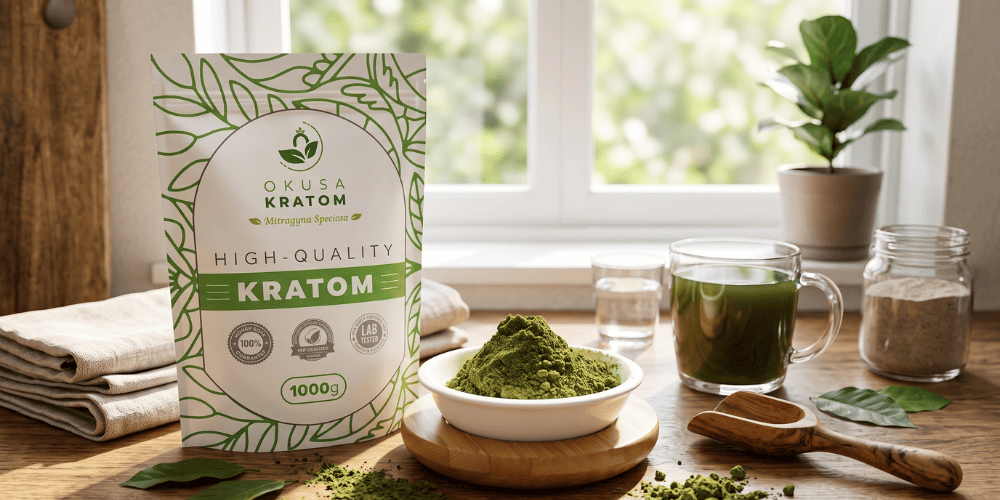
Red Maeng Da Kratom is one of the most recognized names among Kratom classifications, but understanding what makes it different requires looking beyond the name itself. From its mature leaf classification to its traditional processing methods, several factors shape how this variety is categorized.
Whether you are researching its origin, comparing it with other Kratom varieties, or exploring available formats, knowing the details behind Red Maeng Da can help you better understand this popular classification.
Red Maeng Da Kratom is a premium Kratom classification made from the Mitragyna speciosa tree, native to Southeast Asia. The term “Maeng Da” originates from Thai and refers to a high-grade Kratom category. It is commonly associated with mature leaves featuring red-colored veins and selected leaf combinations that create a distinct alkaloid profile.
Read our detailed guide on Maeng Da Kratom before you compare further.
Red Maeng Da Kratom’s background is connected to Southeast Asia, where Kratom has been traditionally cultivated.
Red Maeng Da is classified through a combination of leaf maturity, color, and post-harvest handling rather than a single standardized manufacturing method. Let’s take a closer look at how it is made before it reaches the market:
From traditional powder to packaged capsules and liquid formats, Red Maeng Da Kratom is available in several forms.
| Product Format | Description | Primary Reasons for Choice |
| Powder | Dried Kratom leaves ground into a fine powder without added ingredients | Simple and traditional format |
| Capsules | Kratom powder enclosed inside dissolvable gelatin or vegetable-based shells | Convenient and portable format |
| Liquid Extracts | Concentrated liquid formats created by processing Kratom leaf material into a liquid form | Compact product format that is easier to carry |
learn more about Kratom formats: Kratom Capsules vs Powder: What’s the Real Difference?
Alkaloid content is what separates one color classification from another.
Red Kratom, including Red Maeng Da, comes from peak-mature leaves that undergo extended sun-drying — a process tied to elevated 7-Hydroxymitragynine (7-OH) content. Mitragynine is present throughout as well, alongside supporting alkaloids like paynantheine and speciogynine.
Now that we have explored Red Maeng Da Kratom, let’s look at how it differs from other Maeng Da classifications, including Green, White, and Yellow varieties.
🟢Green Maeng Da: Harvested at mid-maturity with green-colored veins and processed through controlled indoor or shade-drying methods. This classification is associated with a balanced mitragynine and 7-Hydroxymitragynine profile.
⚪White Maeng Da: Harvested during the early leaf stage with white-colored veins and processed through air drying or faster drying methods. This classification is associated with higher mitragynine levels.
🟡Yellow Maeng Da: Created through extended drying, fermentation, or blending methods that produce the yellow classification, often from white or green leaf classifications.
Read more:
Red Maeng Da shares similarities with other red Kratom strains, but differences in geographic naming, leaf characteristics, and availability help distinguish each variety:
| Strain | Geographic Origin | Leaf Characteristics | Availability |
| Red Maeng Da | Indonesia (genetic line first named in Thailand) | Dense, broad leaf structure from selectively bred trees | Widely available, one of the most common red strains |
| Red Bali | Kalimantan and Sumatra, Indonesia (sold under the “Bali” name) | Broad, dense leaves | Widely available |
| Red Hulu | Hulu Kapuas region, West Kalimantan, Indonesia | Leaves from less-cultivated, forest-grown trees | Limited, harder to source due to remote harvesting region |
| Red Horn | Borneo, Indonesia | Distinct jagged, pointed leaf edges | Rare, limited supply |
| Red Elephant | Sumatra, Indonesia | Unusually large leaves | Limited, less common than Maeng Da or Bali |
💡 Get a detailed overview on Red Kratom strains:
Because Kratom products can vary between vendors, reviewing supplier information and product documentation is important when comparing products.
🚩Missing Batch-Specific COAs: A reliable vendor should provide a Certificate of Analysis (COA) for each batch instead of showing only an outdated report.
🚩Incomplete Lab Testing Panels: Reports that only display alkaloid percentages while excluding testing details for heavy metals and microbial contaminants are a warning sign.
🚩Omitted Lot or Batch Numbers: The lot number on the product packaging should match the lot number listed on the third-party laboratory report.
🚩Substandard Packaging: Poor packaging can expose powder to moisture, oxygen, and light. Reliable vendors prioritize properly sealed packaging to help protect product quality.
Red Maeng Da Kratom availability depends on state and local regulations, as FDA & Kratom laws can vary across different parts of the U.S. While Red Maeng Da is one of the more commonly recognized Kratom classifications, availability may differ based on regional restrictions and vendor policies.
⚖️ Know more on — Is Kratom Legal?
⭐OKUSA carries both Red Maeng Da Kratom powder and Red Maeng Da Kratom capsule formats, providing access to this popular Maeng Da classification where permitted.
The Maeng Da name originated in Thailand, but most Red Maeng Da Kratom sold today is grown and processed in Indonesia. Thailand’s own Kratom restriction pushed commercial cultivation elsewhere.
The phrase “Maeng Da” translates loosely to “pimp grade” in Thai slang. It is a commercial classification that designates a vendor’s supposedly premium, high-quality selection of leaves.
Mature leaves undergo specialized washing before being spread out on large racks for extended outdoor sun-drying. Once fully brittle, industrial grinders remove the thick stems and crush the leaf blades into a fine powder.
Availability can vary depending on state and local regulations, as Kratom laws differ across different jurisdictions. Red Maeng Da may be available through specialty retailers where permitted, while some locations may have restrictions.
👉 If local options are limited, OKUSA offers Red Maeng Da Kratom online, along with other Kratom varieties.
Yes, the powder should be kept in a tightly sealed container stored in a cool, dark, and dry location. Proper storage helps protect the powder from humidity, moisture, and exposure to environmental factors.
Disclaimer: This article is for educational purposes only and provides general information about Red Maeng Da Kratom, including its classification, origin, processing methods, and availability.
Kratom laws vary by state and local jurisdiction, so check the regulations in your location before purchasing. The FDA has not approved Kratom for any specific purpose, and this content does not provide any claims or advice regarding products.