
- Call: (725) 215-0109
- Email: support@organickratomusa.com
Rebranding launch sale: code FRESH20 for 20% off!
Free nationwide shipping over $79.00!
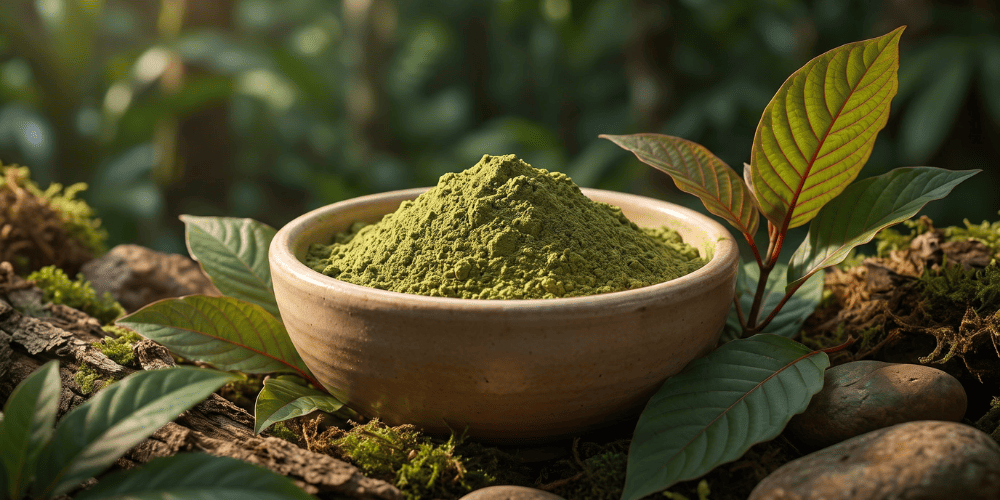
Red Kali Kratom comes from the Kalimantan region of Indonesian Borneo. Its name combines a specific regional association with the red Kratom classification, making it easy to distinguish within the wider range of Kratom varieties.
There is, however, more behind the name than geography alone. This Red Kali Kratom review explains more about the origin of this strain, its classification, alkaloid composition, common formats, and some key buying considerations you should look for.
Red Kali Kratom is a variety of Mitragyna speciosa named after the Kalimantan region of Indonesia. It is classified by its specific harvesting and leaf-drying methods rather than a distinct botanical or genetic classification.
Here’s what each part of the name represents:
🔴Red refers to: the red vein color on the Mitragyna speciosa leaf, which marks a fully matured leaf at harvest.
🌴Kali refers to: Kalimantan, which is the Indonesian portion of the island of Borneo where the strain originates.
Here are the key strain characteristics of Red Kali Kratom:
Red Kali Kratom is traditionally associated with mature leaves harvested after the veins on the underside develop a distinct red hue.
As the leaves mature, the changing vein color serves as a visual classification marker. Farmers select these older leaves because the red vein appearance indicates a later stage of leaf development compared with green and white classifications.
Primary Alkaloids: Like all varieties of Mitragyna speciosa, Red Kali Kratom contains naturally occurring alkaloids, with mitragynine and 7-Hydroxymitragynine (7-OH) being the primary alkaloids associated with the plant.
Note: The exact alkaloid composition can vary between batches depending on factors such as leaf maturity, growing region, and post-harvest processing methods.
Let’s take a look at the different formats available and how they compare:
| Format | Description | Why Someone Chooses It |
| Powder | Finely ground dried leaf | Flexibility to weigh out precise, custom portions |
| Capsules | Powder pre-portioned into vegetable capsule shells | No measuring required, portable, straightforward to travel with |
| Extract | Concentrated form processed from raw leaf | Smaller portion size for the same amount of raw leaf material |
Know more about Kratom formats: Kratom Capsules vs Powder: What’s the Real Difference?
Proper storage conditions can help protect the product from external factors once packaged.
Here are some simple points to consider:
✓ Dry Storage Areas
Keep Red Kali Kratom in a place away from moisture and humidity.
✓ Sealed Packaging or Containers
Store it in its original packaging or a sealed container to reduce exposure to outside elements.
✓ Dark Storage Spaces
Choose a location away from direct sunlight and frequent temperature changes.
✗ Direct Sunlight
Avoid storing the product in areas with prolonged sunlight exposure.
✗ Moist Environments
Keep it away from areas where moisture levels are high.
✗ Heat Sources
Avoid locations near appliances or areas with excessive heat.
Read more on — The Best Way To Store Kratom
Before you buy red kali kratom for sale, reviewing important product and vendor details can help you compare available options more clearly.
When evaluating Red Kali Kratom capsules or powder, consider the following factors:
✔️ A reliable vendor should provide:
👉 Looking for Red Kali Kratom products? OKUSA carries Red Kali in powder format as part of its wider Kratom selection.
Yes. “Kali” is simply the shortened form of “Kalimantan,” so Red Kali Kratom and Red Kalimantan Kratom refer to the same strain from the same Indonesian province, just labeled differently by different vendors.
Red Bali is mass-produced and sourced across broader geographic regions, making it highly common in the market. Red Kali is harvested from older trees specifically located within the Kalimantan region, resulting in distinct harvesting logistics.
Know more about — Red Bali Kratom: A Practical Guide
Red Maeng Da is typically a blended product compiled from multiple regional harvests to achieve specific alkaloid benchmarks. Red Kali consists of unblended, single-origin leaves that are harvested at a mature stage.
Read our detailed guide on Maeng Da Kratom while you compare red Kratom strains.
Red Kali is processed from mature leaves that undergo extended fermentation and indoor drying methods, contributing to changes in the raw material’s color. Green Kali comes from leaves harvested at a mid-mature stage that are processed through different drying methods to maintain the green classification.
Red Kali Kratom follows the same legal status as other Kratom varieties because it comes from the same Mitragyna speciosa plant. Its legality varies by location, so readers should check their local regulations before purchasing or possessing Red Kali Kratom products.
⚖️ Know more about — Is Kratom Legal?
White Kali utilizes younger, early-stage leaves that are processed through methods associated with maintaining the white classification. Red Kali is associated with mature leaves from the later stage of leaf development combined with traditional processing methods.
📜 Know more about Red Kratom strains:
Disclaimer: This content is for informational purposes only. Kratom regulations vary by location, and readers should review applicable local laws before purchasing Kratom products. The FDA has not approved Kratom for any specific purpose. Product information, characteristics, and availability may vary between suppliers and batches.