
- Call: (725) 215-0109
- Email: support@organickratomusa.com
Rebranding launch sale: code FRESH20 for 20% off!
Free nationwide shipping over $79.00!
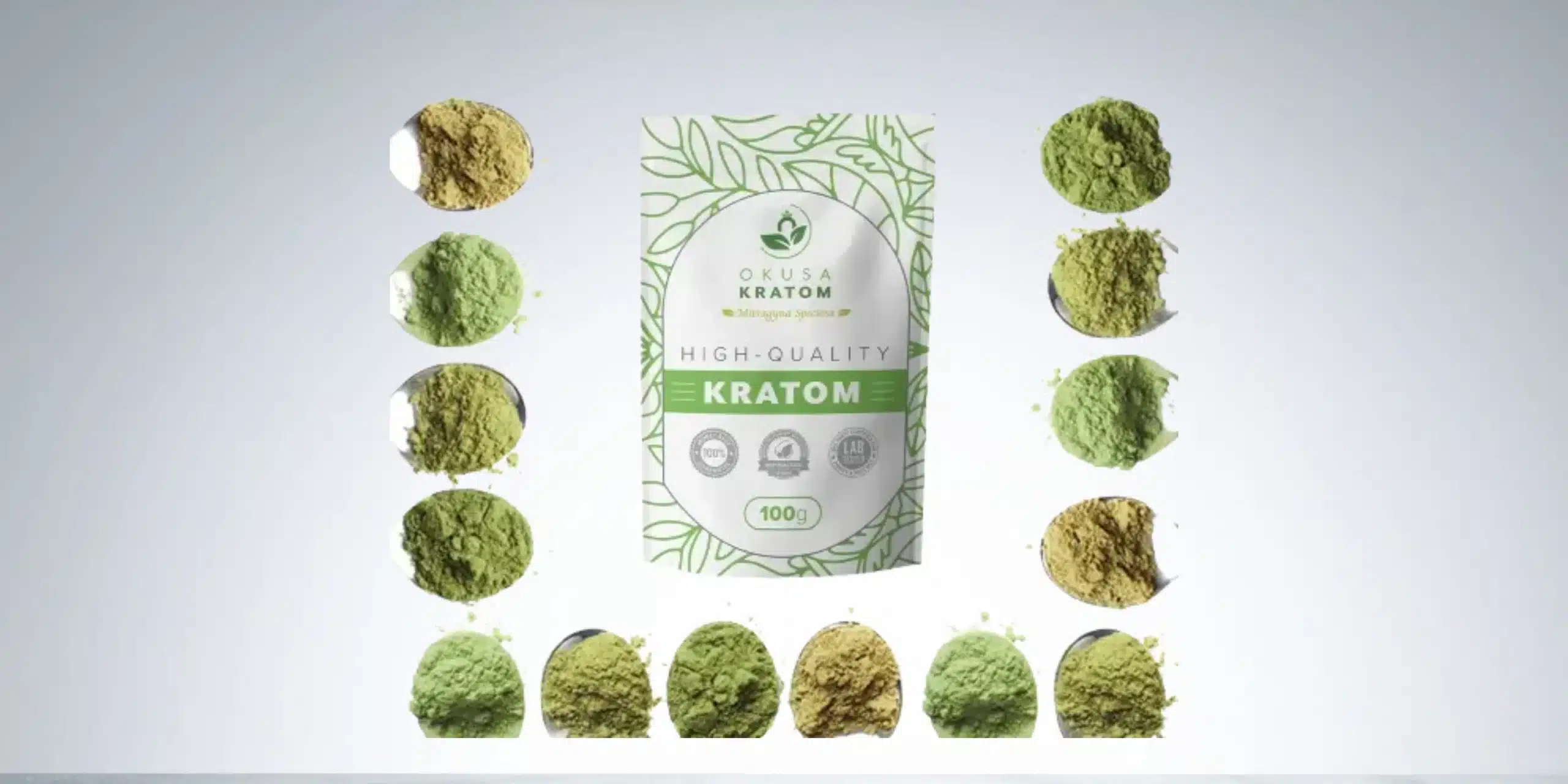
Kratom Blends are combinations of different Kratom strains or vein colors brought together in one formula, often with harvesting and processing methods helping shape what makes each one distinct.
Some blends stay within a single vein color family, while others combine red, white, green, or yellow strains in exact ratios. In some cases, drying or fermentation adds another layer that sets one blend apart from the next. That is why blends can feel more varied than single-strain options and why the details behind them matter.
This guide breaks down the main types of Kratom Blends, the difference between strains and blends, and the key facts behind each formula in this collection. If you have been comparing kratom blends for sale, this will help you better understand what each blend contains and what makes it distinct.
A good blend is more than a fancy name. It starts with what goes into the formula and how that formula comes together.
A blend brings more than one Kratom strain into the same formula. That may include:
Some blends are easy to understand at a glance. Others feel more layered because of the number of strains involved or the way the leaves are handled after harvest.
These terms are often treated as if they mean the same thing, but they point to two different things.
This is one of the easiest places for confusion to start.
The simplest way to separate them is this:
That distinction matters because a blend is defined by composition.
So when you are looking closely at Kratom Blends, the more useful question is not just what it is called? It is what was combined to create it?
Before getting into blends, it helps to understand how Kratom is grouped at the basic level.
Kratom is commonly grouped into four main vein colors:
These are not just labels.
White Kratom usually comes from leaves that are harvested earlier in the growth cycle. After harvest, those leaves are often dried indoors or in controlled environments, which helps preserve their original profile.
In blends, White Kratom often appears as one part of a broader formula.
Green Kratom is generally harvested at a more balanced stage, between early leaf development and full maturity. The drying approach may include a mix of indoor and outdoor methods, depending on how the strain is prepared.
In blends, Green Kratom often appears in multi-color formulas that draw from several vein groups.
Red Kratom usually comes from leaves that are harvested at full maturity. After harvest, the leaves are often dried for longer periods, and in some cases, the process may include fermentation.
In blends, Red Kratom is often paired with other vein colors to create contrast in the formula.
Yellow Kratom is a little different from the other three. It is often shaped more by processing than by harvest timing alone. These leaves may go through extended sun-drying, fermentation, or other post-harvest steps that help define the final strain.
In blends, Yellow Kratom often helps round out multi-color formulas or forms the base of yellow-focused blends.
Not every blend is built the same way, and knowing the type makes comparison easier.
These combine multiple vein colors in a single formula.
Examples:
These remain within a broader family while bringing together several strains from that family.
Examples:
These are defined as much by post-harvest handling as by the strain makeup itself.
Examples:
These draw identity from a place, a regional strain family, or a geographic connection.
Example:
Below is a closer look at each blend, including the exact ratio and the details that make it distinct.
Champagne Kratom is one of the more distinctive blends in the lineup because it combines three Maeng Da strains in a way that still feels clear.
The larger share of Yellow Maeng Da gives Champagne Kratom a clear identity, while the red and white strains help complete the blend without competing for attention.
Golden Bloom Kratom keeps the formula simple, which is part of what makes it easy to understand and easy to remember.
With both strains split evenly, Golden Bloom Kratom feels clean and balanced, giving each side of the blend an equal role in shaping the final formula.
Mellow Yellow Kratom takes a more focused path by staying entirely within the yellow family, giving it a different feel from blends that draw from several colors at once.
Because each yellow strain holds the same share, Mellow Yellow comes across as even, consistent, and clearly built around the yellow category from start to finish.
Morning Sunshine Kratom looks simple at first, but the harvesting and processing details give it more personality than the ratio alone might suggest.
With White Horn taking the lead, Morning Sunshine has a strong foundation, while Yellow Sunda adds another layer, making the blend feel more considered than a simple two-strain mix.
Red Chocolate Kratom stays fully within the red family, yet it still feels layered because the formula combines several red strains with a distinct fermentation story.
Red Bali gives the blend its main direction, while Red Maeng Da and Red Borneo round it out equally, making the formula feel full without becoming overly complicated.
Red Wine Kratom is one of the most direct blends in the lineup, with one strain clearly taking the lead and the second playing a smaller supporting role.
That heavier share of Red Borneo gives Red Wine a strong center, while White Thai adds contrast, making it one of the best Kratom blends on the market.
Tropical Krabi Thai Kratom Powder stands out because its formula is evenly divided among four Thai strains, giving the blend a clear regional identity from the start.
Since each Thai strain appears in equal proportions, Tropical Krabi Thai feels balanced, with the regional theme tying the blend together.
White Chocolate Kratom brings together several white strains, but what makes it especially memorable is the way fermentation becomes part of its identity.
White Elephant gives the blend a clear base, while White Sumatra and Super White Borneo fill out the remaining half, keeping the formula well-defined.
White Lightning Kratom is one of the easiest blends in the collection to understand because its formula is evenly balanced from start to finish.
With each strain making up an equal share, White Lightning comes across as balanced, clear, and easy to understand from the start.
Once you know what goes into a blend, the next step is knowing where to find it. Not every seller carries the same range, and not every collection includes blends with clearly defined ratios and strain combinations.
OKUSA brings these options together in one dedicated Kratom Blends section, along with “Create Your Own Blend” for those who want more flexibility while exploring different formulas.
For anyone finding different Kratom blends on the market, having a collection like this makes it easier to compare options side by side and understand what sets each one apart.
Kratom blends can take a few different forms. Some combine multiple vein colors, while others stay within one group, such as all-yellow or all-white formulas. Examples include multi-color blends such as Champagne Kratom and Tropical Krabi Thai, as well as single-category blends such as Mellow Yellow and White Lightning.
No single strain automatically creates the best blend. It usually depends on how the formula is built, which strains are combined, and how the ratio is balanced. Some blends work around one leading strain, while others rely on equal parts to create a more even formula.
A good place to start is by looking at the strain makeup, the ratio, and whether the blend stays within one vein color group or combines several. It also helps to compare harvesting and processing details, since those can shape how the blend is categorized. The clearer those details are, the easier it becomes to narrow down the options.
Yes, it is possible to combine different Kratom strains into a custom blend at home. The main thing to pay attention to is the ratio, since it shapes the final formula. Many people start with simple two-part combinations before moving into more layered blends with three or four strains.
Two common ratios are 50/50 and 70/30. A 50/50 blend gives both strains an equal share, while a 70/30 blend gives one strain the lead and uses the second in a smaller proportion.
No. A strain is usually one named Kratom variety, while a blend brings together multiple Kratom components.
No. Some blends combine several vein colors, while others stay within one group, such as all-yellow, all-red, or all-white formulas.
Disclaimer:
This content is for informational purposes only and is not intended as medical or legal advice. Kratom laws and regulations may vary by state or locality, so it is important to review the rules that apply in your area before purchasing. Product details, strain names, and blend formulas may vary over time.