
- Call: (725) 215-0109
- Email: support@organickratomusa.com
Rebranding launch sale: code FRESH20 for 20% off!
Free nationwide shipping over $79.00!
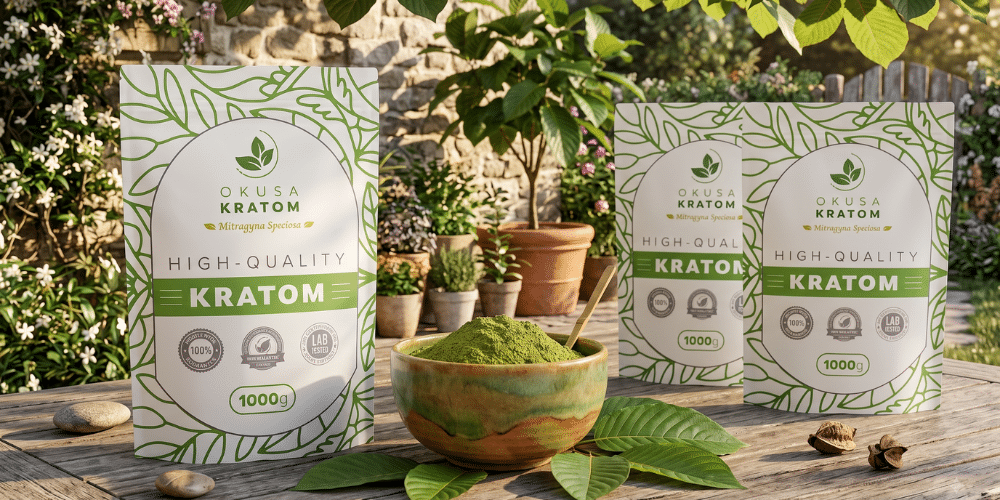
Yellow Hulu Kratom can be confusing at first because its name combines a regional designation with a classification shaped by processing. It is associated with the Hulu Kapuas area of West Kalimantan, Indonesia, while the yellow classification is generally linked to post-harvest treatment rather than a naturally yellow vein. This guide takes a closer look at where Yellow Hulu comes from, how it is cultivated and processed, what its alkaloid profile contains, and why batches can differ.
A quick snapshot of Yellow Hulu Kratom’s key details:
| Detail | Information |
| Botanical Source | Mitragyna speciosa |
| Country of Origin | Indonesia |
| Region of Origin | Hulu region, Kapuas River, West Kalimantan |
| River Basin | Kapuas River (Indonesia’s longest river) |
| Color Category | Yellow (processing-derived) |
| Precursor Leaf Color | Varies before processing |
| Processing Method | Extended drying, often paired with fermentation |
| Primary Alkaloid | Mitragynine |
| Common Forms | Powder, Capsules, Extracts |
Yellow Hulu Kratom comes from the Mitragyna speciosa tree, grown in the Hulu region along the Kapuas River in West Kalimantan, Indonesia. Unlike Red or White Kratom strains, which reflect the leaf’s vein color at the time of harvest, Yellow Kratom typically results from an extended drying and fermentation process applied after harvesting.
The name breaks down into three distinct parts, each pointing to a different piece of the strain’s identity.
| Term | Meaning |
| 🟡 Yellow | The “yellow” designation typically comes from a specialized drying or blending process rather than a natural yellow leaf vein |
| 🌿 Hulu | An Indonesian word meaning “upstream,” referring to the upper reaches of a river system. |
| 🌊 Kapuas | The Kapuas River, Indonesia’s longest river, and the surrounding West Kalimantan region where the trees are traditionally grown. |
Here is a closer look at the cultivation, harvesting, and processing steps associated with Yellow Hulu Kratom.
Like other Kratom varieties, its chemical makeup is shaped both by the plant itself and by how it’s processed.
| Alkaloid | Description |
| Mitragynine | The predominant alkaloid found in Kratom leaves, typically present in the highest concentration |
| 7-Hydroxymitragynine | A naturally occurring alkaloid generally detected in much smaller amounts than mitragynine |
Yellow Hulu Kratom may also contain several minor alkaloids, including:
The relative proportion of these compounds can shift during the drying and fermentation stages, which is part of what distinguishes Yellow Kratom’s composition from Red or White varieties grown in the same region.
Several agricultural and processing variables can shape the final composition of any given batch.
🌱 Soil and Growing Conditions: Differences in soil composition and the surrounding growing environment along the Kapuas River can contribute to natural variation.
🌳 Tree Maturity: The maturity of the Mitragyna speciosa tree at harvest time may influence leaf composition.
🌦️ Seasonal Climate: Rainfall, humidity, and sunlight throughout the growing season can affect the plant’s development.
☀️ Drying and Fermentation Method: The processing period and technique applied at this stage can influence the final color and composition.
📦 Harvest and Batch Variation: As a naturally cultivated plant, composition can differ between harvests and production runs.
This unique strain is generally available in a few standard formats.
The Hulu color varieties are generally distinguished by differences in leaf maturity and post-harvest processing. This table highlights the key characteristics that separate each variety:
| Feature | Green Hulu | Red Hulu | White Hulu | Yellow Hulu |
| Harvest Maturity | Mid-maturity leaves | Fully mature, older leaves | Young, early-stage leaves | Mixed or hybrid maturity |
| Primary Drying Environment | Shaded indoor air-drying | Sealed indoor fermentation bags | High-humidity indoor rooms | Prolonged outdoor weathering |
| Light Exposure | Minimal and controlled | Brief final sun exposure | Targeted direct sun/UV light | Extended sun or post-mix blending |
| Mitragynine Levels | Generally higher | May be lower after extended processing | Often associated with higher measured mitragynine | Typically intermediate |
| Alkaloid Profile | Less altered primary alkaloids | More processing-related alkaloid changes | Less altered early-stage alkaloids | Intermediate or blended profile |
⭐ Compare all the Hulu Kratom strains in detail:
Yellow Hulu Kratom availability can vary depending on the laws in a particular state or locality, as Kratom regulations differ across the U.S. Its availability can also be more limited than widely listed Kratom varieties because Yellow Hulu is a more specific regional classification associated with the Hulu Kapuas area of West Kalimantan, Indonesia.
OKUSA carries Yellow Hulu Kratom in powder format, giving buyers direct access to this less commonly listed Hulu variety.
Before checking availability in your area, review the current state and local rules. For a broader overview, you can also refer to the Kratom summary of state laws for state-by-state regulatory information.
No. It comes from the same Mitragyna speciosa tree as every other Kratom variety — the difference lies in region and processing.
Neither is objectively better. Yellow Hulu is associated with the Hulu Kapuas region, while Yellow Maeng Da is a separate commercial regional classification; product quality and batch composition can vary, so compare sourcing and laboratory testing rather than relying on the name alone.
Availability varies by location because Kratom regulations differ between states and local jurisdictions, and Yellow Hulu can be less commonly stocked than broader Kratom varieties. If local availability is limited, OKUSA offers Yellow Hulu Kratom online; you can buy this strain and explore other varieties as well.
No special storage method is required specifically for Yellow Hulu. Keep the package tightly sealed in a cool, dry, dark place and protect it from moisture, direct sunlight, heat, and strong temperature changes.
The core difference is geography and location where these strains are grown. Yellow Hulu Kratom is grown along the upper Kapuas River in West Kalimantan, Indonesia, while Yellow Vietnam is associated with Vietnam’s Mekong Delta region.
⭐ Know more about Yellow Vietnam Kratom, read our detailed guide
Disclaimer: This content is provided for educational and general product-information purposes only. It discusses Yellow Hulu Kratom’s origin, processing, composition, formats, and market classification.
Kratom products are not approved by the FDA to diagnose, treat, cure, or prevent any condition. Kratom laws and shipping restrictions vary by state and locality and may change over time, so current regulations should be reviewed before purchasing.
Read More: